


Regulatory strategy for differentiated programmes in areas of high unmet need.
Independent counsel for rare disease, oncology and neuroscience programmes, from the regulatory leader who took a first-in-class ALS therapy to FDA accelerated approval and European approval, qualified the biomarker that made it possible, and wrote industry positions that regulators adopted.
Bring the programme. Bring the policy problem. Bring the question nobody has answered yet.
Three practices. One regulatory judgement.
Most consultants offer strategy or policy. The programmes that matter need both: a plan that reads the agency correctly today, and the standing to shape what the agency expects tomorrow.
Regulatory strategy
Development strategy for novel assets, from first-in-human to the advisory committee and the label. Decided on the evidence, then carried through the organisation.
- Pathway selection and expedited programmes: accelerated approval, breakthrough, orphan, exceptional circumstances
- FDA Type B, C and D meetings, EMA Scientific Advice, SAG and oral explanation, PMDA
- Advisory committee preparation: briefing document, core story, panel readiness
- Biomarker and surrogate endpoint strategy
Regulatory policy & advocacy
Company positions that survive contact with FDA, Congress, the European Commission and the trade associations, and the internal machinery that makes influence measurable.
- Position development and guidance comments (accelerated approval, AI in development, PDUFA)
- Engagement through PhRMA, BIO, EFPIA and patient coalitions
- Congressional and state advocacy in partnership with government affairs
- Policy and advocacy councils, built at AbbVie and Biogen
Intelligence & due diligence
Precedent read properly. What FDA and EMA actually decided in comparable programmes, what has changed, and what it means for the asset in front of you.
- Regulatory due diligence for oncology, neurology and rare disease assets, defended through to acquisition
- Precedent analysis, FDA and EMA divergence, horizon scanning
- BIOSECURE, PDUFA VIII and emerging policy risk assessment
- Leadership workshops on the policy environment and its consequences for programmes
Rare disease, oncology, neuroscience.
Rare disease
Global therapeutic area head for neuromuscular and rare diseases at Biogen. EU orphan significant benefit, exceptional circumstances, paediatric expansion and the biomarker arguments that small populations depend on.
Oncology
US regulatory lead for small molecules and antibody drug conjugates across high-risk MDS, multiple myeloma, SCLC, NSCLC and other solid tumours. Global lead for five first-in-human assets. ODAC preparation. Diligence on masked T-cell engagers through to acquisition.
Neuroscience
Tofersen in SOD1-ALS from strategy reset to accelerated approval: the advisory committee, neurofilament as a qualified biomarker for regulatory decision-making, and Congressional engagement to sustain support for ALS drug development during the review.
Outcomes, not activities.
Each of these was a live decision with a real team, a real agency and a real deadline. They are the reason clients call.
Tofersen to accelerated approval, then EU approval
Moved the strategy from traditional to accelerated approval on the biomarker, where the substantial evidence actually sat. Built the case with the team, negotiated it with the Head of R&D, and delivered FDA accelerated approval in April 2023 and approval under exceptional circumstances in Europe.
Biogen · SOD1-ALS · antisense oligonucleotideA unanimous advisory committee after a failed Phase 3
Owned preparation and execution: briefing document, core story, speaker selection and panel readiness across the cross-functional team. The committee voted unanimously for accelerated approval.
FDA advisory committee · SOD1-ALSNeurofilament qualified for regulatory decision-making
Qualified a novel biomarker for regulatory decision-making in ALS in the course of the approval, opening a pathway that subsequent programmes can use. Presented for C-Path on an FDA panel afterwards.
Biomarker strategy · substantial evidence of effectivenessType D meetings, formally adopted
Drove the industry position on Type D meeting provisions and staffed senior leaders through the negotiation. The provisions were adopted and are now part of how every sponsor engages FDA.
US regulatory policy · PhRMA · BIOAccelerated approval reform and guidance
Reshaped the company position and the coalition around it through BIO, government affairs and the EveryLife Foundation when the pathway was under the most scrutiny in a decade. Later drafted guidance comments at Moderna that BIO adopted as the industry position.
Biogen · Moderna · BIOOrphan significant benefit and EU co-packaging
Led a public industry discussion on the evolution of significant benefit that landed a materially more favourable outcome, and the AbbVie engagement with the European Commission on co-packaging that yielded greater clarity for the whole industry.
AbbVie · European Commission · EMACongress, during the NDA review
More than twenty meetings with Representatives at the Congressional fly-in, sustaining bipartisan support and education for ALS drug development while the tofersen NDA and advisory committee were live.
Federal and state advocacy · government affairs partnershipDiligence through to acquisition
Led the regulatory assessment for multiple oncology due diligence projects, including the completed and publicly announced acquisition of masked T-cell engagers. Defended the assessment through to close.
Vir Biotechnology · oncology BDAI in drug development, in front of FDA
Led FDA Type C meetings with CDER on the use of AI in development, advised on BIOSECURE and PDUFA VIII, and spoke alongside FDA and industry at the DIA Annual Meeting and the Fierce Biotech panel on AI in drug development.
Formation Bio · CDER · DIA · Fierce BiotechBuilt policy and advocacy councils at AbbVie and Biogen; built Celgene's European regulatory intelligence team; EFPIA topic leader at GSK. The full career is on the About page.
Read the full profile →Forward-looking. Solutions first.
Regulatory advice is only useful if it changes what the programme does next. I work inside the team, own the recommendation, and stay for the meeting.
Read the agency, not the guidance alone
Guidance tells you what is permitted. Precedent, review memos, advisory committee transcripts and the people in the division tell you what is likely. Strategy is built on the second set.
Put the programme on the pathway its evidence supports
Tofersen was headed for traditional approval until the data said otherwise. Moving it took scenario planning, an honest account of what accelerated approval demands, and an internal negotiation. The result was a unanimous vote.
Carry the organisation with the strategy
A regulatory plan that R&D leadership, clinical, commercial and the board have not bought into is a memo. I build the case with the team so that the recommendation arrives with its supporters.
Shape the environment you will be judged in
Policy and strategy are the same discipline at different time horizons. Where a guidance, a user-fee commitment or a European definition is going to constrain the programme, engage early through the associations and directly.
Say the difficult thing early
Boards and investors hear the regulatory risk from me before they hear it from the agency. A clear-eyed diligence or an unwelcome pathway assessment is worth more than a comfortable one.
 MR
MR
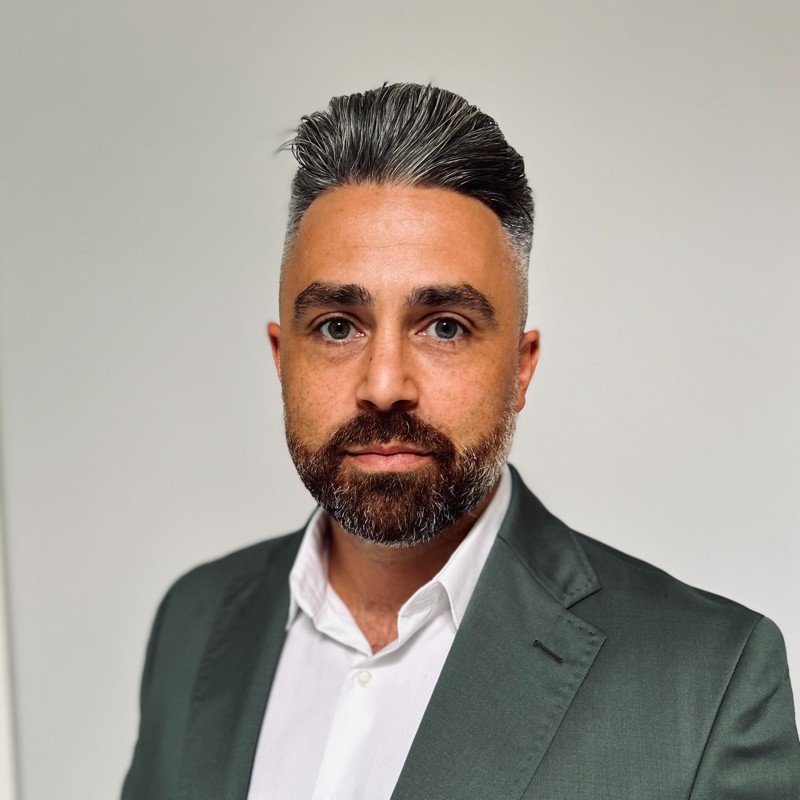
Regulatory strategy and policy leader with a career across GSK, Celgene, AbbVie, Biogen, Vir, Moderna, MannKind and Formation Bio, most recently as Vice President of Regulatory Affairs. Global regulatory therapeutic area head for neuromuscular and rare diseases and US regulatory policy head at Biogen; oncology global regulatory lead and policy director at AbbVie. Has represented innovator companies at PhRMA, BIO, ARM, EFPIA, EuropaBio and the BIA.
Also the founder of 5010 AI, whose Nexus platform gives regulatory teams curated FDA and EMA approval precedent and cited analysis. Clients of 5010 Consulting get the strategist and the tooling he built for the job.
Bring me the programme, the policy problem, or the question.
The first conversation is a working session, not a pitch. You will leave with a view on the pathway, the risk and the next three moves, whether or not we go on to work together.
- Typical first engagements
- Pathway assessment · Type B/C/D meeting strategy · advisory committee readiness · diligence on an in-licensing candidate · a position on an emerging policy
- Who calls
- CEOs and CMOs of early and mid-stage biotech, heads of regulatory at established pharma, investors and business development teams.
- Where
- Natick, Massachusetts. US and EU programmes; remote and on site.